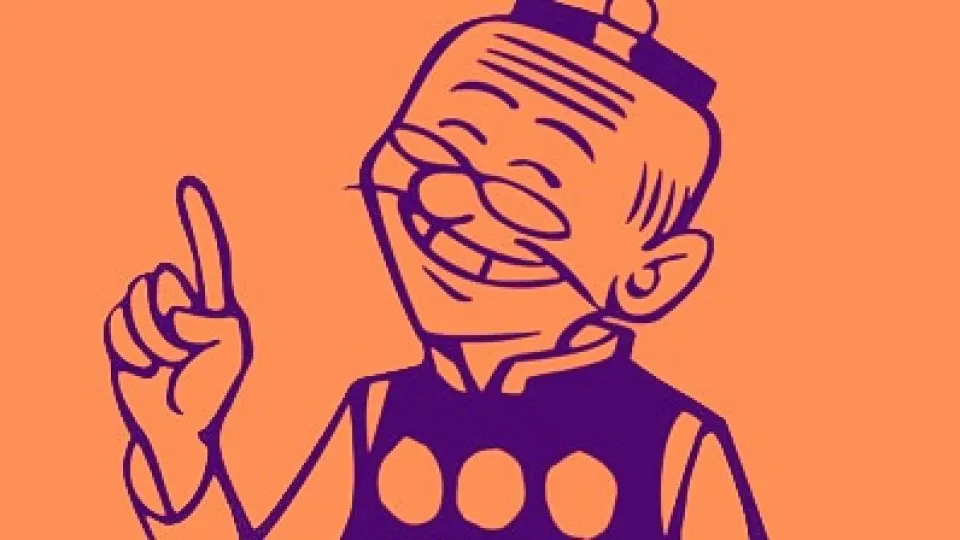
Fans of Chinese comics might be familiar with the name "Old Master Q". This is the English title often associated with the beloved comic strip "老夫子" . However, as 2024 marks the 60th anniversary of this iconic comic's first publication in 1964, a more nuanced translation can unlock a deeper appreciation for the character and the humour that has endured for generations.
Here's why "Fellow Oldschooler" is a more fitting name for "老夫子" :
Capturing the Playful Spirit: "Fellow" injects a sense of informality and camaraderie, reflecting the lighthearted and playful nature of the comics. It is perfectly fitting the essence of "老" in Chinese. "Old Master," on the other hand, can sound overly serious and miss the humour.
Beyond Literal Translation: "老" in "老夫子" doesn't necessarily denote actual age. It carries a hint of self-importance and being an "old hand" at something, perhaps a bit out of touch with modern times.
Modern Appeal: "Oldschooler" is a clear and modern term that resonates with a wider audience. "Old Master" can sound a bit out-of-sync or even stuffy, potentially alienating some readers.
Respectful Humour: "Fellow Oldschooler" strikes a good balance between humour and respect. It acknowledges the character's traditional values without resorting to mockery.
So, the next time you encounter "老夫子" , remember him not as a stern "Old Master," but as a "Fellow Oldschooler" – a character who embodies the humour of clinging to tradition in a world that's constantly changing.
Beyond the Translation: A Deeper Look
This exploration of translating "老夫子" highlights the beauty and complexity of the Chinese language. A single character like "老" (lǎo) can hold a multitude of meanings and nuances depending on the context. Understanding these layers is crucial for accurate and culturally appropriate translations.
Capturing the Character's Essence
The term "夫子" (fūzi) in "老夫子" adds another dimension to the character's portrayal. It literally translates to "master" or "teacher," but often carries the connotation of a rigid thinker or a staunch traditionalist, in the modern days. This characteristic perfectly aligns with the humour in the comics, where 老夫子's outdated views often lead to comical situations.
"Fellow Oldschooler" effectively captures this rigidity in a humorous way. It acknowledges the character's adherence to tradition while maintaining a lighthearted tone, making it a more fitting translation for English-speaking audiences.
The Importance of Cultural Nuance
"Fellow Oldschooler" offers a nuanced and culturally appropriate translation for English-speaking audiences. It effectively bridges the gap between languages and allows them to experience the full enjoyment of "老夫子" . Understanding these subtleties and appreciating the complexities of the Chinese language enriches the reading experience for everyone.
A Legacy of Laughter: Celebrating 60 Years of 老夫子
As "老夫子" celebrates its 60th anniversary in 2024, it's a testament to the enduring power of humour and relatable characters. The comic strip's ability to poke fun at tradition and societal norms, while retaining a sense of respect, continues to resonate with readers across generations.
"Fellow Oldschooler" perfectly embodies this legacy. It captures the humour, the traditional leanings, and the enduring appeal of "老夫子" , ensuring that this beloved comic character can continue to entertain and enlighten readers for years to come.